What is bipolar disorder?
“Bipolar disorder (formerly called manic-depressive illness or manic depression) is a mental disorder that causes unusual shifts in mood, energy, activity levels, concentration, and the ability to carry out day-to-day tasks.”
The numbers
- Bipolar disorder runs in families: having a parent with it raises a child's risk.
- It may be at least as common in young people as in adults.
- Around 20% of adolescents with major depression develop bipolar disorder within five years of the depression starting.
- When manic, children and adolescents are more likely than adults to be irritable and prone to destructive outbursts than elated. When depressed, there may be headaches, stomachaches, tiredness, poor performance at school, irritability, social isolation, and extreme sensitivity to rejection.
Watch: Tell me about bipolar disorder. For information and support, see NAMI's bipolar disorder pages.
In their words
I don't trust you, because I don't trust myself
“With my unpredictable moods, I never felt secure. I was pushing too hard to be heard or pushing people away — until I learned to challenge my mistaken core belief.”
What it's like to go through a depressive episode when you have bipolar disorder
“The sudden onset of a new depressive cycle forces me to scramble into what I call ‘survival mode’. It's a state of mind I use to protect myself… I constantly repeat to myself, ‘Survive today. Tomorrow will be different.’”
‘I just thought I was broken’
“I just thought I was broken. I just thought there was something wrong… It was just so relieving to finally feel like my life doesn't have to be like this forever.”
The chemistry behind bipolar disorder


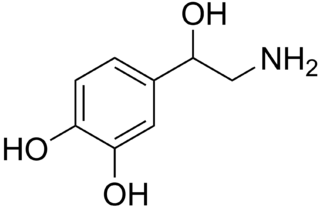
Neurons communicate by releasing chemical messengers — neurotransmitters — across the tiny gap between them. The neurotransmitters implicated in bipolar disorder include dopamine, norepinephrine, serotonin, GABA, glutamate and acetylcholine. Researchers also suspect a role for neuropeptides such as endorphins, somatostatin, vasopressin and oxytocin.
Some differences have been observed: GABA measured lower in the blood and spinal fluid of people with bipolar disorder, and more oxytocin-active neurons. What those findings mean for how the brain works overall is not yet understood, and whether such changes are a cause of bipolar disorder or a consequence of it has not been established.
How does treatment help?
Recovering from bipolar disorder does not happen overnight, and finding the right treatment takes time.
Medication
Most people with bipolar disorder need medication to keep symptoms under control, and finding the right drug or combination often takes several attempts. Regular blood tests matter, because getting the dose right is a balancing act. Medication is usually continued even once mood is stable, since stopping is a common route back to relapse. Antidepressants need particular care: research shows they are not especially effective for bipolar depression, and they can trigger mania or rapid cycling.
Therapy
People who take medication do better if they also have therapy. Three kinds are especially useful here:
- Cognitive behavioral therapy — examining how thoughts affect emotions, managing symptoms, and spotting triggers for relapse.
- Interpersonal and social rhythm therapy — steadying relationships, and steadying the daily pattern of sleeping, eating and exercising, because a disrupted body clock can set off mood cycling.
- Family-focused therapy — working on communication and strain at home, and teaching the household about the illness.
Alongside those
Light and dark therapy manages exposure to light to steady the sleep-wake cycle. Mindfulness-based cognitive therapy and meditation have evidence behind them for depression, anger and anxiety. Some researchers think acupuncture may help by changing the stress response. All of these are complementary: they go with medication, therapy and lifestyle changes, not instead of them.
Books that portray bipolar disorder
Little & Lion, by Brandy Colbert
Suzette comes home to Los Angeles and finds her stepbrother Lionel, who has bipolar disorder, needs her — while she is falling for the same girl he loves. Buy the book
Beautiful Bipolar, by Danielle Workman
A blogger turned author on her own diagnosis, the mania, the depression, and living with it. Buy the book
Celebrities who advocate
Demi Lovato
“It was a great feeling to find out that there wasn't anything wrong with me. I just had a mental illness.”
Read the article (Women's Health)
Mariah Carey
“Until recently I lived in denial and isolation and in constant fear someone would expose me… I sought and received treatment, I put positive people around me and I got back to doing what I love.”
Read the article (People)
A note from the team
We are not experts and do not seek to diagnose or act in place of professional psychiatric treatment. We are an organization seeking to raise awareness. If you have concerns about any of this material, please email us.
Sources
- National Institute of Mental Health — Bipolar disorder (the definition)
- Depression and Bipolar Support Alliance — Bipolar disorder statistics (the numbers)
- HelpGuide — Bipolar disorder treatment (the treatment section)