What is autism spectrum disorder?
Autism spectrum disorder (ASD) is a broad term used to describe a group of neurodevelopmental disorders. These disorders are characterized by problems with communication and social interaction. People with ASD often demonstrate restricted, repetitive, and stereotyped interests or patterns of behavior.
The numbers, as CDC published them in 2020
- A March 2020 CDC report found that 1 in 54 children aged 8 had been identified with ASD.
The current figure is different, and by a lot
CDC now estimates that about 1 in 31 children aged 8 (3.2%) has been identified with autism, from its Autism and Developmental Disabilities Monitoring Network. We checked that on 7 September 2026. Much of the change over time reflects better identification rather than more autism.
Watch: What is Autism (Part 1)? — written by an autistic person (YouTube).
In their words
This Is What It's Like to Live With Autism
“There's a range of how it affects each individual's communication and behavior: Some people are so high-functioning that it's hard to tell they have any challenges, while others need much more support in their daily lives.” — Tehrene Firman
What It's Like Being Openly Autistic in the Workplace
“With greater speed and scale than ever before, companies are incorporating neuro-inclusion into their diversity, equity, and inclusion strategies… there is still a need for a more nuanced understanding of the experiences of individuals on the autism spectrum.” — Hannah West
Read the article (The Mighty)
What I Need as an Autistic Woman Navigating the Health Care System
“Throughout my whole life I have not been able to complete a medical appointment ‘successfully.’… This was the first time I saw that I wasn't alone in my experiences, and that it was the system that didn't know how to treat me properly, not me who was ‘too weak’ for the system.” — Anne
Read the article (The Mighty)
The chemistry behind autism
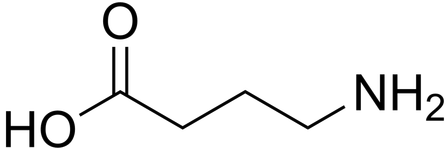
Harvard University researchers found that autistic behavior is associated with a breakdown in the signaling pathway used by a major inhibitory neurotransmitter called GABA. “This is the first time, in humans, that a neurotransmitter in the brain has been linked to autistic behavior,” study leader Caroline Robertson said — the theory had been shown in animal models, but not previously evidenced in humans. The study, published in Current Biology, used brain imaging plus a visual test known to trigger different reactions in autistic and non-autistic brains.
“Autism is often described as a disorder in which all the sensory input comes flooding in at once, so the idea that an inhibitory neurotransmitter was important fit with the clinical observations,” Robertson said — noting also the 20 to 25 percent comorbidity between autism and epilepsy. Outside experts were cautiously optimistic: the finding is one piece of the puzzle, and the overall origins of autism remain elusive.
How does support help?
There's no cure for autism, but several approaches can improve social functioning, learning, and quality of life for children and adults alike. Autism is a spectrum: some people need little support, others intensive therapy — and while most research focuses on children (support is most effective when started before age 3), many options help adults too.
- Applied behavior analysis (ABA) — techniques that encourage positive behaviors using rewards, including discrete trial training, early intensive behavioral intervention, pivotal response training, verbal behavior intervention, and positive behavior support.
- Cognitive behavioral therapy — a 2010 review (Lang et al.) suggests CBT is particularly helpful for managing anxiety, recognizing emotions in others, and coping in social situations.
- Social skills training — learning conversation, humor, and emotional cues; used mostly with children, but also effective for teens and young adults.
- Sensory integration and occupational therapy — evening out responses to sensory stimulation, and building everyday-life skills.
- Speech therapy — improving the rate and rhythm of speech and how thoughts and feelings are communicated.
- Medication — nothing treats autism itself, but antipsychotics (risperidone and aripiprazole are FDA-approved for autism symptoms), antidepressants, stimulants, and anticonvulsants can help with specific co-occurring symptoms.
- Alternative treatments — many are tried (special diets, weighted blankets, melatonin, supplements, CBD oil), but conclusive research is lacking, and some, like chelation therapy, can do more harm than good. Work closely with a doctor.
Books that portray autism
Same but Different: Teen Life on the Autism Express
By Holly Robinson Peete, Ryan Elizabeth Peete, and RJ Peete. Through alternating narratives based on their own lives, twins Ryan Elizabeth and RJ — who has autism — reveal what it means to be a teen living with the disorder. Review · Buy the book
A Friend for Henry, by Jenn Bailey and Mika Song
In Classroom Six, Henry is on the lookout for a friend — a story from the perspective of a boy on the autism spectrum. Review · Buy the book
Look Me in the Eye: My Life with Asperger's, by John Elder Robison
The moving, darkly funny story of growing up with Asperger's at a time when the diagnosis simply didn't exist. Review · Buy the book
Celebrities who advocate
Temple Grandin
“Early intervention at age 2½ helped me overcome my handicap… All my thinking is visual, like videos played in my imagination. Even abstract concepts such as getting along with other people are visualized through the use of door imagery.”
Read more (Autism Research Institute)
Daryl Hannah
“Hannah, who was diagnosed with autism as a child and suffered from ‘debilitating shyness’ as a result of the disorder, says the best thing in her life now is growing comfortable in her own skin.”
Read the article (People)
A note from the team
We are not experts and do not seek to diagnose or act in place of professional psychiatric treatment. We are an organization seeking to raise awareness. If you have concerns about any of this material, please email us.
Sources
- Healthline — Everything you need to know about autism (the definition, restored from the older version; the newer page had pasted PTSD text here)
- U.S. News & World Report — Autism statistics
- ScienceDaily — Brain chemical linked to autism (the chemistry section)
- Healthline — Autism treatment (the support section, restored from the older version)